









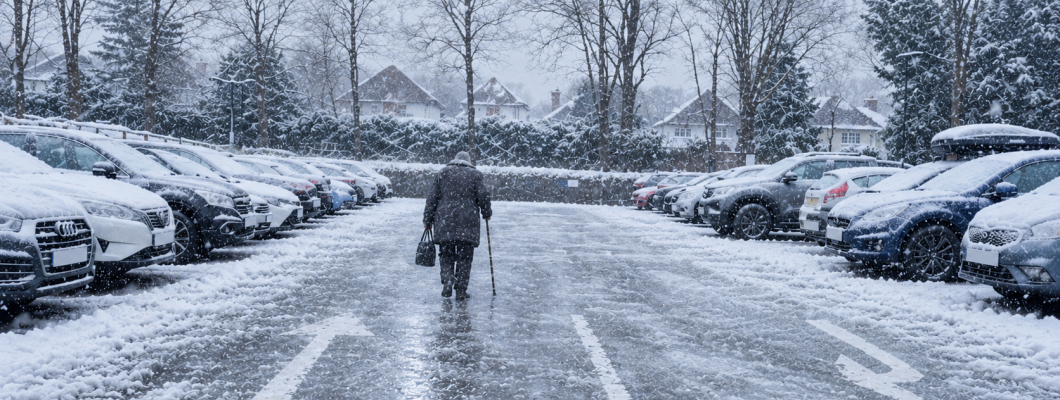
When the temperature drops, the risk on our paths, car parks and roads rises with it. A thin, almost invisible layer of ice can turn a routine walk to the car or a commute into a serious accident. Slips and falls on ice are among the most common winter injuries. They cause sprains, fractures, head injuries and lost working days. For drivers, icy roads mean longer stopping distances, reduced steering control and a higher chance of collisions.
This guide covers the dangers of winter slips and falls for pedestrians, the risks of icy conditions for drivers, and how businesses, schools and property owners can warn people before an accident happens.
Why Are Winter Slips and Falls So Dangerous?
Ice is deceptive. Frost, black ice and refrozen meltwater often look like ordinary wet tarmac or paving, so pedestrians don't realise the surface is slippery until they're already off balance.
Common injuries from slipping on ice include:
- Wrist, arm and ankle fractures
- Hip injuries, especially for older adults
- Head injuries and concussion
- Back and neck strain
- Bruising and soft-tissue damage
Older people, young children, people with mobility issues and anyone carrying shopping or a bag are at greater risk. Even a "minor" fall can mean weeks of recovery.
Where Are Icy Hazards Most Common?
Ice tends to form in predictable places:
- Car parks and drop-off zones, where shaded areas stay frozen long after other surfaces thaw
- Entrances and exits where meltwater tracks in and refreezes
- Ramps, steps and slopes
- Loading bays and delivery areas
- Pathways beneath trees or buildings that never see the winter sun
- School grounds, workplaces and care homes
Winter Safety Tips for Pedestrians
Whether you're walking to work, the shops or the school gate, a few habits reduce your risk considerably:
- Wear proper footwear. Choose shoes or boots with deep treads and flexible soles. Avoid smooth soles and heels.
- Take short, shuffling steps. Keep your centre of gravity over your front foot and walk like a penguin. It looks silly but it works.
- Keep your hands free. Avoid carrying heavy loads and keep hands out of pockets so you can balance.
- Stick to treated or well-lit routes. Gritted paths are safer, and good lighting helps you spot hazards.
- Watch for glossy or dark patches. Black ice looks like a wet, shiny surface.
- Slow down and give yourself extra time. Rushing is one of the biggest causes of winter falls.
- Use handrails wherever they're provided.
- Heed warning signs. If a sign says there's an ice risk, take it seriously.
The Dangers of Icy Conditions for Drivers
Ice doesn't only affect people on foot. On the road, and in car parks, it can catch drivers out in seconds. The Highway Code warns that stopping distances in icy conditions can be up to ten times longer than on dry roads.
Key risks for drivers include:
- Black ice, a transparent film that is very hard to see, particularly at night and early in the morning
- Reduced grip when braking, accelerating or cornering
- Skidding on bends, slip roads and junctions
- Frozen car parks and private roads that haven't been gritted
- Poor visibility from frosted or misted windscreens
Icy Road Safety Tips for Drivers
- Clear your whole windscreen and all windows before setting off, and clear ice and snow from mirrors, lights and the roof.
- Reduce your speed and increase your following distance significantly.
- Brake gently and early. Harsh braking can lock wheels or cause a skid.
- Pull away in a higher gear (second in a manual) to reduce wheelspin.
- Take extra care on bridges, shaded areas and exposed roads, which freeze first.
- Check your tyres. Adequate tread depth and correct pressure matter more than ever in winter.
- Only travel if you need to when conditions are severe, and keep an emergency kit in the car.
- Watch the temperature display. Air temperature around 3°C or below means ice can already be forming on road surfaces.
Why Ice Warnings Matter for Businesses and Property Owners
If you manage a car park, school, care home, workplace, retail site or residential development, you have a duty of care to the people who use your premises. Treating surfaces with grit or salt is essential, but ice can form quickly and unpredictably, especially overnight. Nobody can be on site around the clock to check.
That's where automatic ice warning signs come in. Rather than relying on someone remembering to put out a sign, an ice warning system alerts pedestrians and drivers automatically the moment conditions become risky.
(This is general information rather than legal advice. Check your own obligations under health and safety and occupiers' liability requirements.)
Flashing Ice Warning Signs: How They Work
The Ice Guardian range of flashing ice warning signs from Parking Shop Direct is designed to give a clear, eye-catching warning of ice risk in car parks and on private property. Key features across the range include:
- 6 super-bright flashing LEDs that activate automatically when the temperature falls below 3 degrees
- Battery powered, with no external power supply needed, so there's no wiring or running costs
- No moving parts, meaning minimal maintenance
- Long battery life: the signs use 6 industrial-grade AA batteries, which typically last 2–3 years in normal use
- Weather-sealed battery cover and simple battery swap, with instructions provided
- Easy installation on walls or posts, with the correct fittings supplied for your chosen option
- Suitable for warning both pedestrians and drivers in one visible message
Choose the Right Ice Warning Sign for Your Site
There are three sign styles to suit different locations:
- Ice Warrior, 350 x 500mm is a compact, versatile sign that combines the Ice Guardian features in a smaller plate. It suits tighter spaces and building entrances. £357 inc VAT.
- Ice Hawk, 450 x 590mm is a larger, highly visible sign for busier areas or where the warning needs to be seen from further away. £397 inc VAT.
- Ice Sentinel, 565 x 485mm is a larger landscape-format sign, useful where a wider layout suits the location. £397 inc VAT.
(Prices correct at time of writing. Check the product pages for current pricing and availability.)
Build a Complete Winter Safety Plan
A flashing ice warning sign works best as part of a wider winter plan. Consider combining it with:
- Gritting and salting routines for key routes, entrances and car parks, using grit bins where appropriate
- Anti-slip safety surfaces on steps, ramps and high-risk walkways
- Entrance mats and matting to reduce wet, slippery floors indoors
- Solar LED lighting to improve visibility on dark winter mornings and evenings
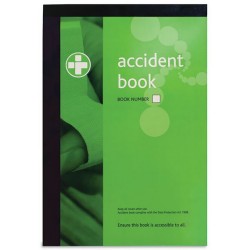
- Winter essentials and an accident reporting book to record incidents properly
- Regular inspections during cold snaps, with a written record of checks
Frequently Asked Questions
At what temperature do ice warning signs activate?
The Ice Guardian range triggers its flashing LEDs when the temperature falls below 3 degrees.
Do flashing ice warning signs need mains power?
No. They run on batteries, so no external power or wiring is required.
How long do the batteries last?
In normal use, the batteries typically last 2–3 years.
Can I fit an ice warning sign to a wall or a post?
Yes. The signs can be mounted to either, and they ship with the correct fittings for your chosen option.
What is black ice?
Black ice is a thin, transparent layer of ice on a road or path surface. It's very hard to see, which makes it especially dangerous for both walkers and drivers.
Who should use ice warning signs?
Car park operators, schools, care homes, workplaces, retailers, housing associations and anyone responsible for outdoor areas used by the public.
Final Thoughts: Warn Early, Prevent Accidents
Winter hazards are predictable, and so are most winter accidents. Pedestrians can protect themselves with sensible footwear and slower steps. Drivers can reduce risk by adjusting speed and preparing their vehicles. Property owners can take the extra step of giving people a clear, automatic warning before they step onto a frozen surface.
Ready to protect your site this winter? Browse the full range of flashing ice warning signs and give pedestrians and drivers the warning they need.
Leave a Comment