











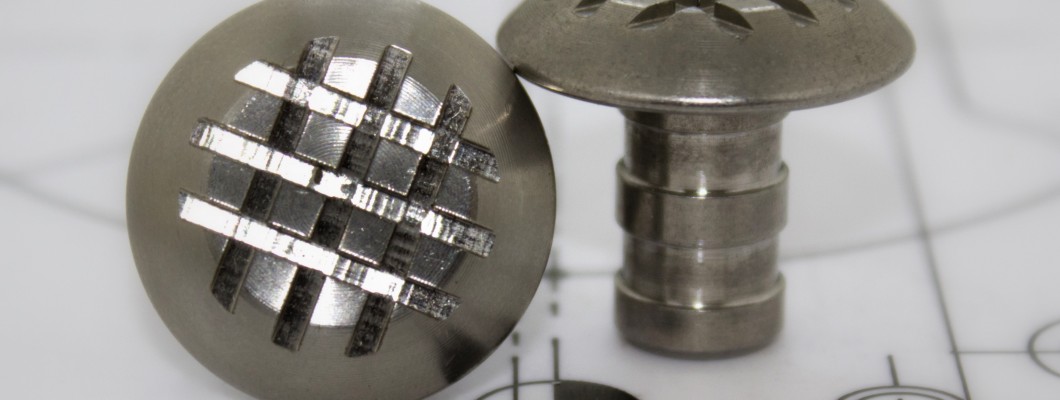
Tactile Studs in the UK: Improving Accessibility, Safety and Inclusive Design
As the UK continues to prioritise inclusive environments and accessible public spaces, tactile studs have become an increasingly important feature in modern infrastructure. Found on railway platforms, stairways, pedestrian areas and public buildings, tactile studs help people with visual impairments navigate safely and independently.
Whether incorporated into new developments or added during refurbishment projects, tactile studs form a key part of accessible design and help organisations meet their obligations under UK accessibility standards.
What Are Tactile Studs?
Tactile studs are raised surface indicators installed into walking surfaces to create detectable patterns underfoot. They are designed to be recognised by people who are blind or visually impaired, either through foot contact or with the use of a long cane. The studs create a distinctive textured warning surface that alerts pedestrians to potential hazards, changes in direction or transition points.
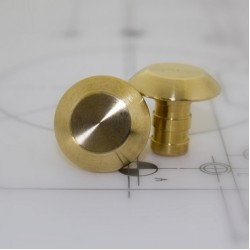
Typically manufactured from durable materials such as stainless steel and brass, tactile studs provide excellent wear resistance and long-term performance in both indoor and outdoor environments.
Why Are Tactile Studs Important?
For many people with sight loss, navigating public spaces can present significant challenges. Tactile paving systems and tactile studs provide essential environmental information that may otherwise be difficult to detect.
Key benefits include:
- Warning pedestrians of potential hazards ahead.
- Improving safety around stairs and level changes.
- Assisting navigation in transport hubs.
- Supporting accessibility compliance.
- Creating more inclusive public spaces.
- Enhancing confidence and independence for visually impaired users.
By providing clear physical cues, tactile studs help reduce the risk of accidents while making environments more accessible for everyone.
Common Applications of Tactile Studs in the UK
Railway and Underground Stations
One of the most recognisable uses of tactile studs is along railway platform edges. The raised warning surface alerts passengers when they are approaching a potential danger zone and helps distinguish safe walking areas from platform drop-offs.
Staircases
Installing tactile studs at the top and bottom of staircases provides an important warning that a change in level is imminent. This is particularly beneficial in commercial buildings, educational facilities and public spaces.
Public Realm Projects
Town centres, pedestrianised streets, transport interchanges and civic developments commonly use tactile indicators to improve accessibility and wayfinding.
Commercial Buildings
Offices, retail centres, healthcare facilities and leisure venues increasingly incorporate tactile studs as part of their accessibility strategies, helping create welcoming environments for all visitors.
Heritage and Architectural Projects
Individual tactile studs are often chosen instead of traditional tactile paving where aesthetics are important. Stainless steel and brass studs can be installed into natural stone, granite and concrete surfaces while maintaining a premium appearance.
Stainless Steel vs Brass Tactile Studs
Stainless Steel Tactile Studs
Stainless steel tactile studs are among the most popular choices in the UK thanks to their:
- Modern and professional appearance.
- Excellent durability.
- Corrosion resistance.
- Low maintenance requirements.
- Suitability for high-traffic environments.
They are commonly available in various finishes, including plain, circular groove and cross-grip patterns to enhance slip resistance and visual appeal.
Brass Tactile Studs
Brass tactile studs are often specified for premium architectural projects and heritage environments. Their distinctive warm finish complements natural materials while still providing an effective tactile warning surface.
Meeting UK Accessibility Requirements
Accessibility remains a key consideration for building owners, architects and contractors throughout the UK. Tactile surfaces form an important part of broader design principles intended to support people with disabilities and improve equal access to public spaces.
When selecting tactile products, specifiers should ensure that solutions are durable, slip resistant and suitable for the intended application. High-quality tactile studs help deliver safe, long-lasting installations that support accessibility objectives.
Benefits for Architects, Contractors and Specifiers
Individual tactile studs offer several practical advantages over traditional tactile paving in certain applications:
- Flexible installation layouts.
- Premium visual appearance.
- Seamless integration with existing paving.
- Reduced visual impact.
- Long service life.
- Minimal maintenance requirements.
This flexibility allows designers to achieve accessibility goals without compromising the overall aesthetic of a project.
Choosing the Right Tactile Solution
Selecting the best tactile product will depend on a number of factors, including:
- Location and environment.
- Pedestrian traffic levels.
- Surface material.
- Accessibility requirements.
- Architectural design objectives.
- Installation method.
For larger infrastructure or commercial developments, bespoke tactile stud solutions may also be considered to meet specific project needs.
Conclusion
Tactile studs play a vital role in creating safer, more accessible environments throughout the UK. From railway stations and public spaces to commercial developments and heritage projects, they provide critical guidance for visually impaired pedestrians while supporting inclusive design principles.
Available in durable materials such as stainless steel and brass, tactile studs combine functionality, longevity and aesthetic appeal. As demand for accessible infrastructure continues to grow, tactile studs will remain an essential component of modern public realm and building design.