


Road Studs Explained: Choosing the Right Aluminium and Stainless Steel Road Stud for Your Project
Road studs play an important role in guiding pedestrians, cyclists and motorists while improving safety and route definition. Whether used to mark pedestrian crossings, delineate road edges, highlight pathways or organise parking areas, road studs provide a durable and highly visible surface-marking solution.
Selecting the right road stud depends on several factors, including traffic levels, aesthetic requirements, installation environment and long-term maintenance considerations. In this guide, we'll explore the benefits and applications of three popular options:
- Aluminium Ribbed Road Studs
- Aluminium Smooth Road Studs
- Stainless Steel Ribbed Road Studs
What Are Road Studs?
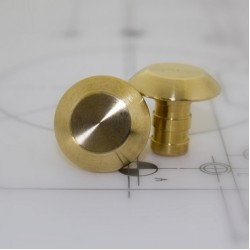
Road studs are surface-mounted markers installed into roads, footpaths, pedestrian crossings and public spaces to create clear visual guidance. They can be used as an alternative or complement to painted line markings and are particularly useful where a long-lasting physical marker is required.
Modern road studs are commonly manufactured from durable metals such as aluminium and stainless steel, providing excellent resistance to weathering and daily wear.
Aluminium Ribbed Road Studs
Ideal for Enhanced Grip and Safety
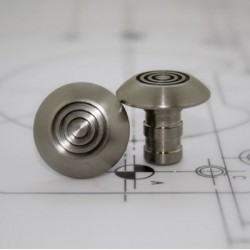
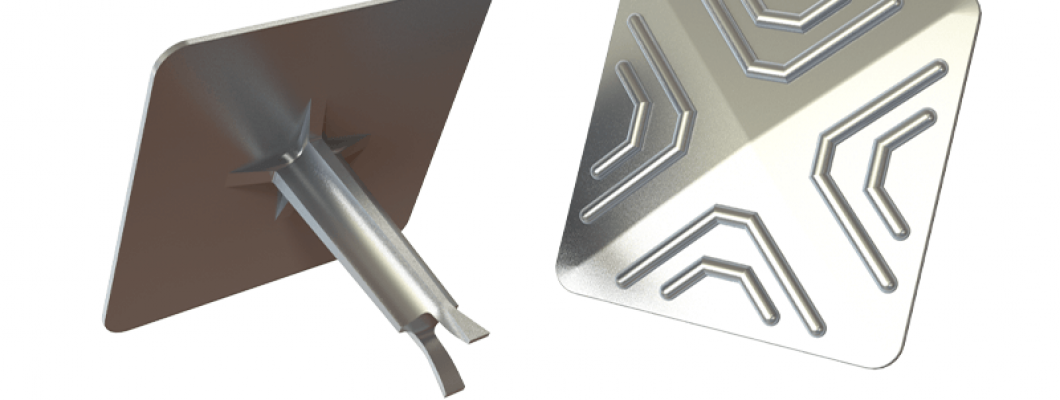
Aluminium ribbed road studs feature a textured surface designed to improve slip resistance while maintaining excellent visibility.
These studs are commonly used in:
- Pedestrian crossings
- Shared-use pathways
- School environments
- Public footpaths
- Car parks
- Business parks
The ribbed surface helps provide additional grip underfoot, making these studs particularly suitable for pedestrian areas and locations where safety is a priority.
Benefits of Aluminium Ribbed Road Studs
- Lightweight yet durable
- Corrosion resistant
- Anti-slip ribbed surface
- Cost-effective solution
- Long service life
- Suitable for roads and pedestrian areas
- Easy to install
For organisations seeking a practical and economical road stud, aluminium ribbed versions offer an excellent balance of performance and value.
Aluminium Smooth Road Studs
A Clean and Professional Finish
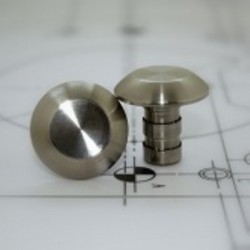
Smooth aluminium road studs provide the same durability and weather resistance as ribbed versions but with a sleek, modern appearance.
These studs are often selected for:
- Public realm projects
- Retail developments
- Commercial premises
- Business parks
- Plaza areas
- High-end landscaping schemes
The smooth surface creates a clean architectural finish while still delivering effective route delineation and boundary marking.
Benefits of Aluminium Smooth Road Studs
- Contemporary appearance
- Durable aluminium construction
- Weather resistant
- Low maintenance
- Ideal for visual wayfinding
- Suitable for commercial environments
- Cost-effective long-term solution
Where aesthetics are a key consideration, smooth aluminium road studs are often the preferred choice.
Stainless Steel Ribbed Road Studs
Premium Performance for High-Use Environments
Stainless steel road studs are considered the premium option for permanent road and pathway delineation.
Manufactured from corrosion-resistant stainless steel, they provide exceptional durability and retain their appearance even in demanding outdoor environments.
Common applications include:
- Pedestrian crossings
- Transport hubs
- Railway stations
- Public spaces
- High-footfall walkways
- Highway infrastructure
- Educational campuses
The ribbed surface provides enhanced grip while the stainless steel finish delivers a prestigious appearance suitable for high-profile developments.
Benefits of Stainless Steel Ribbed Road Studs
- Premium aesthetic appearance
- Exceptional corrosion resistance
- Long service life
- Anti-slip ribbed texture
- Resistant to impact and wear
- Ideal for busy public areas
- Minimal maintenance requirements
For projects where durability and appearance are equally important, stainless steel road studs are often the best investment.
Aluminium vs Stainless Steel Road Studs
Aluminium Road Studs
Best suited for:
- Schools
- Car parks
- Public pathways
- Business parks
- General road marking applications
Advantages:
- Lower initial cost
- Lightweight construction
- Excellent durability
- Corrosion resistance
- Easy installation
Stainless Steel Road Studs
Best suited for:
- Premium developments
- City centres
- Transport infrastructure
- High-traffic pedestrian areas
- Public realm projects
Advantages:
- Premium appearance
- Superior corrosion resistance
- Exceptional longevity
- Enhanced resistance to wear and tear
Typical Applications for Road Studs
Road studs are widely used across both public and private sector projects, including:
Local Authorities
- Pedestrian crossings
- Road edge delineation
- Shared-use pathways
- Public realm improvements
Schools and Universities
- Campus pathways
- Crossing points
- Traffic management schemes
- Accessibility improvements
Commercial Properties
- Car parking layouts
- Access roads
- Pedestrian routes
- Wayfinding systems
Transport Infrastructure
- Railway stations
- Bus interchanges
- Highway schemes
- Cycle routes
Why Choose Permanent Road Studs?
Compared with painted markings alone, road studs offer several advantages:
- Greater durability
- Improved visibility
- Reduced maintenance requirements
- Long-term cost savings
- Enhanced pedestrian guidance
- Professional appearance
Because they are physically fixed into the surface, road studs continue to provide route definition even as painted markings begin to wear.
Conclusion
Whether you choose an Aluminium Ribbed Road Stud, Aluminium Smooth Road Stud or Stainless Steel Ribbed Road Stud, each option offers a reliable and long-lasting solution for surface marking and wayfinding.
For budget-conscious projects requiring excellent durability, aluminium road studs provide outstanding value. For premium developments and high-use locations, stainless steel road studs deliver superior aesthetics and long-term performance.
By selecting the correct road stud for your application, you can improve safety, enhance navigation and create a professional, long-lasting finish for roads, pathways, crossings and public spaces.
Leave a Comment